Keep Your Dishwasher Cleaning Like New: Maintenance and Quick Fixes
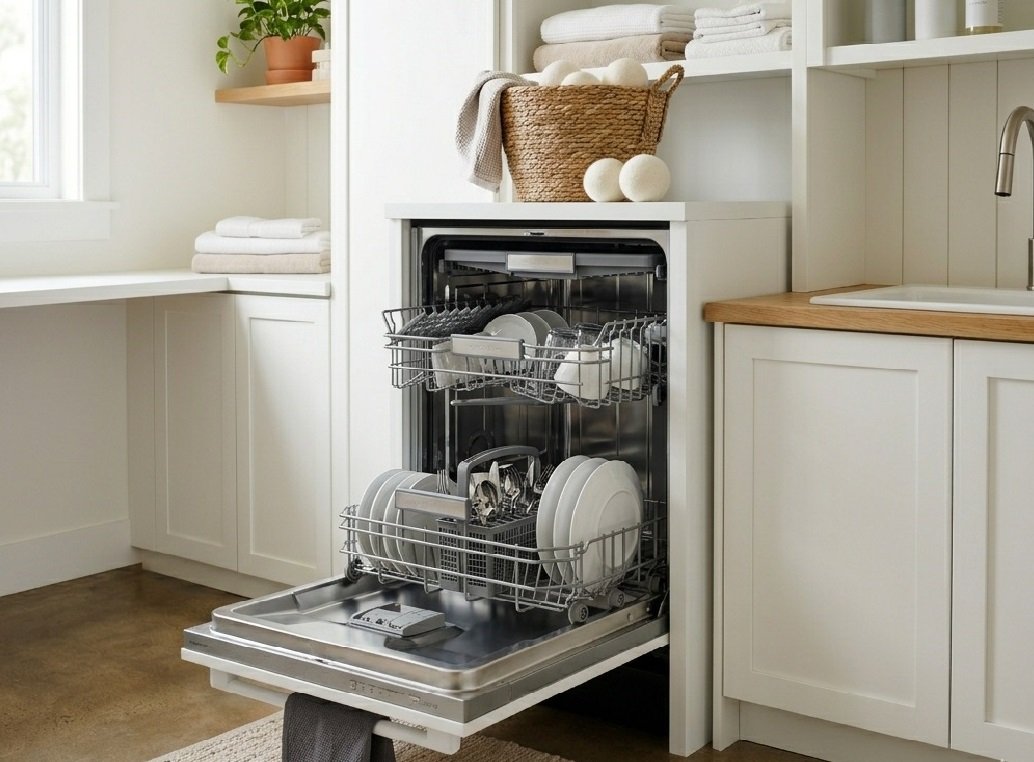
A well-maintained dishwasher saves time, water, and energy. When it is neglected, you end up hand-washing dishes anyway. Here is how to keep it running at its best.
1. Scrape, Don’t Rinse
Modern dishwashers are designed for lightly soiled dishes. Scrape off large chunks of food, but you do not need to fully rinse everything—over-rinsing can actually make detergents less effective.
2. Clean the Filter
Most newer dishwashers have a removable filter at the bottom. Check your manual, then twist and lift the filter out. Rinse it under warm water and remove any trapped debris to improve cleaning performance and prevent odors.
3. Inspect and Clean Spray Arms
Clogged spray arm holes can leave dishes dirty. Remove the spray arms if your model allows and rinse them. Use a toothpick to gently clear mineral buildup from any blocked holes.
4. Run a Cleaning Cycle
Once a month, run an empty cycle with a dishwasher cleaner or a cup of white vinegar on the top rack. This helps cut grease, soap scum, and mineral deposits.
5. Use the Right Detergent and Rinse Aid
Always use dishwasher-specific detergent and consider a rinse aid if you have hard water. Too much detergent can leave a film; follow the measurements on the package.
Common Problems & First Checks
Dishwasher Not Draining
Check the filter and the drain area for food or broken glass. Also inspect the drain hose under the sink and ensure the garbage disposal (if connected) is clear.
Dishes Coming Out Cloudy or Spotty
This often points to hard water, incorrect detergent, or a missing rinse aid. Try a cleaning cycle and adjust your detergent amount.
Dishwasher Leaking
Leaks can come from a damaged door gasket, loose hose connections, or over-foaming due to the wrong soap. Never use regular dish soap inside a dishwasher.
If basic cleaning and checks do not solve the problem, a professional can quickly test pumps, valves, and sensors to find the root cause.